

The Dangerous Seduction of Narrative Journalism
The Luigi Mangione media phenomenon reveals a dangerous ethical collapse inside modern journalism: the moment emotional narrative starts overpowering skepticism, verification, and professional distance.
WHEN THE STORY BECOMES TOO SEDUCTIVE TO QUESTION
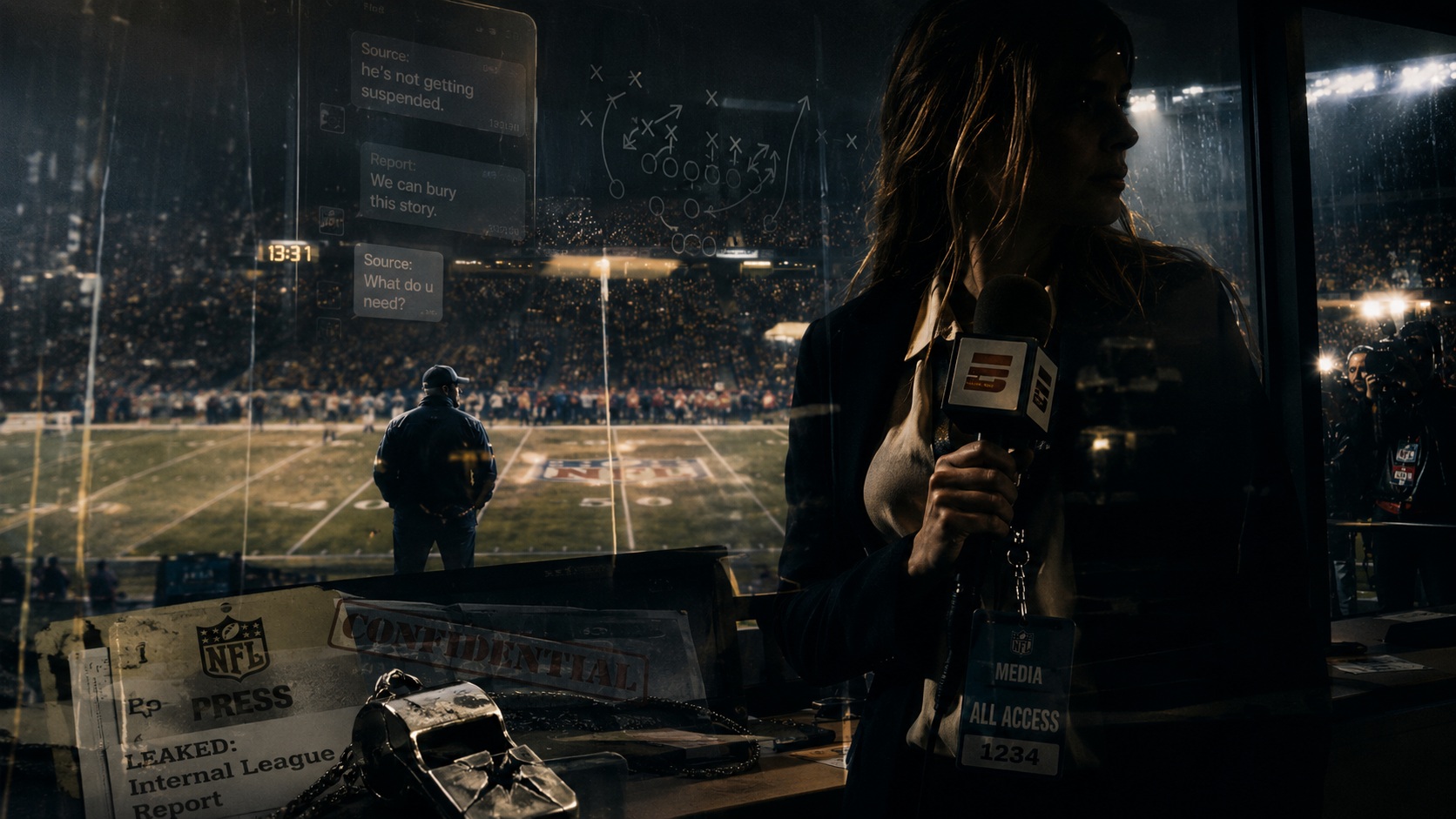
The Luigi Mangione media phenomenon exposes one of the most uncomfortable ethical failures in modern journalism: the moment reporters and online commentators stop analyzing a subject critically and begin emotionally merging with the narrative surrounding them.
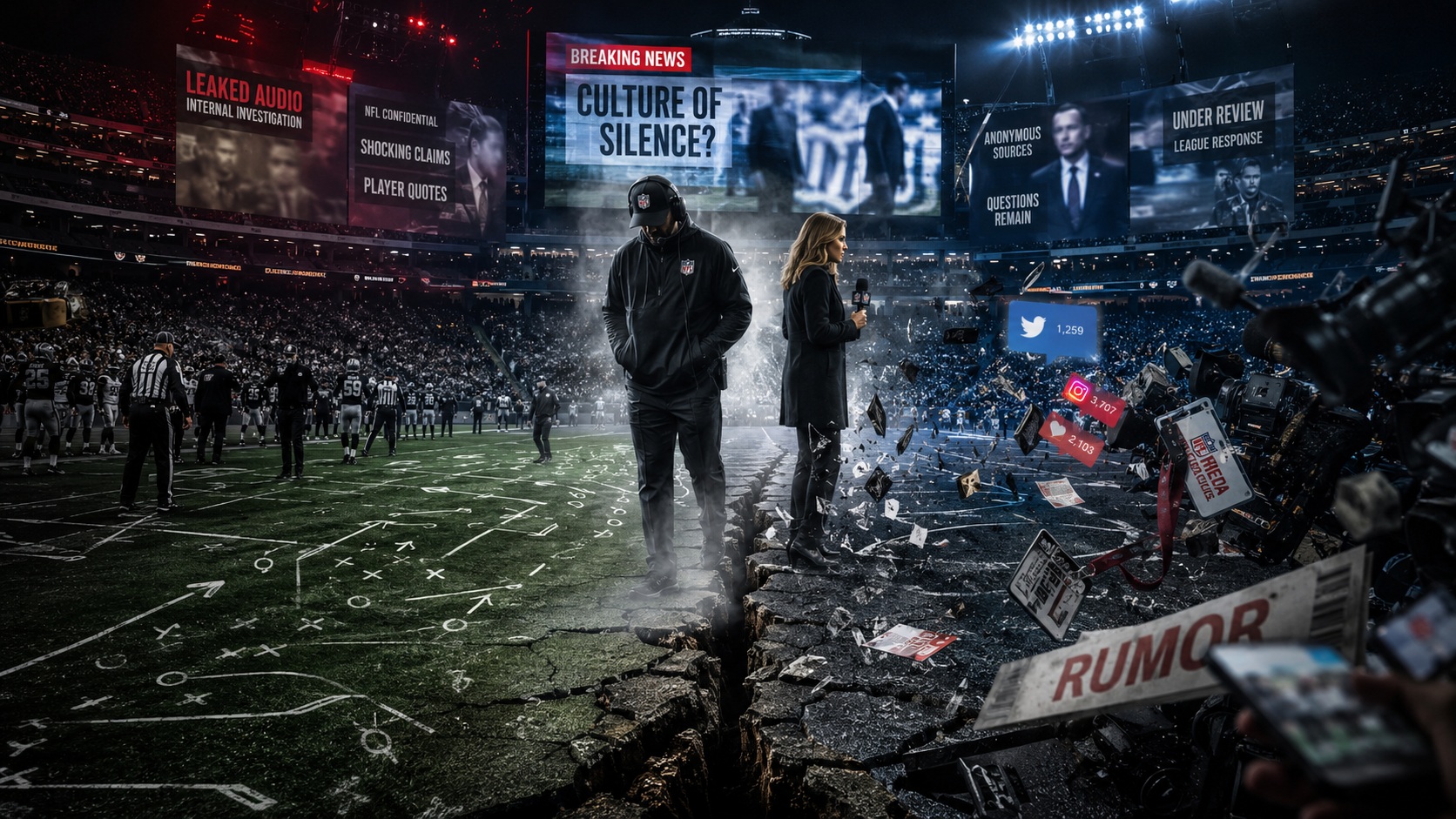
This is not simply about crime coverage. It is about the psychological seduction of narrative itself. Once a suspect begins symbolizing larger cultural frustrations — healthcare rage, loneliness, masculinity collapse, anti-corporate resentment, alienation, social decay — parts of the media ecosystem start treating the story less like journalism and more like mythology.
That is where the ethical danger begins.
TABLE OF CONTENTS
- How narrative-first journalism distorts reality
- The danger of turning suspects into folk heroes
- Why emotional framing contaminates reporting
- Social media virality and newsroom corruption
- The importance of professional distance
- Editor breakdown
HOW NARRATIVE-FIRST JOURNALISM DISTORTS REALITY
Modern journalism increasingly struggles with a dangerous temptation: deciding what a story means emotionally before all the facts are properly understood.
Once the Luigi Mangione story began symbolizing broader cultural frustrations online, parts of the media ecosystem appeared to drift into narrative-first thinking. The suspect stopped being treated purely as a subject of investigation and increasingly became transformed into a symbolic vessel for public anger, loneliness, anti-corporate sentiment, and generational frustration.
That shift matters enormously because journalism is supposed to investigate reality, not emotionally sculpt mythology around people before the dust settles.
THE DANGER OF TURNING SUSPECTS INTO FOLK HEROES
One of the most disturbing patterns in digital-age media culture is the speed at which online ecosystems can aestheticize controversial figures into symbols, icons, or antiheroes.
The moment reporters, influencers, commentators, and social media audiences begin framing someone primarily through emotional symbolism rather than factual scrutiny, journalism starts sliding toward fandom.
At that point, skepticism weakens. Critical distance shrinks. Narrative excitement replaces careful restraint. The coverage starts feeling emotionally invested in the myth instead of disciplined by evidence.
That is exactly why journalists must resist falling in love with the emotional power of a story.
WHY EMOTIONAL FRAMING CONTAMINATES REPORTING
Journalism becomes dangerous when emotional energy starts steering the wheel instead of verification.
Once reporters begin emotionally identifying with the symbolic meaning attached to a subject, every editorial decision risks becoming distorted:
- Negative facts get softened
- Contradictions receive less attention
- Emotional framing overrides skepticism
- Audience sympathy quietly shapes coverage
- Virality starts influencing newsroom judgment
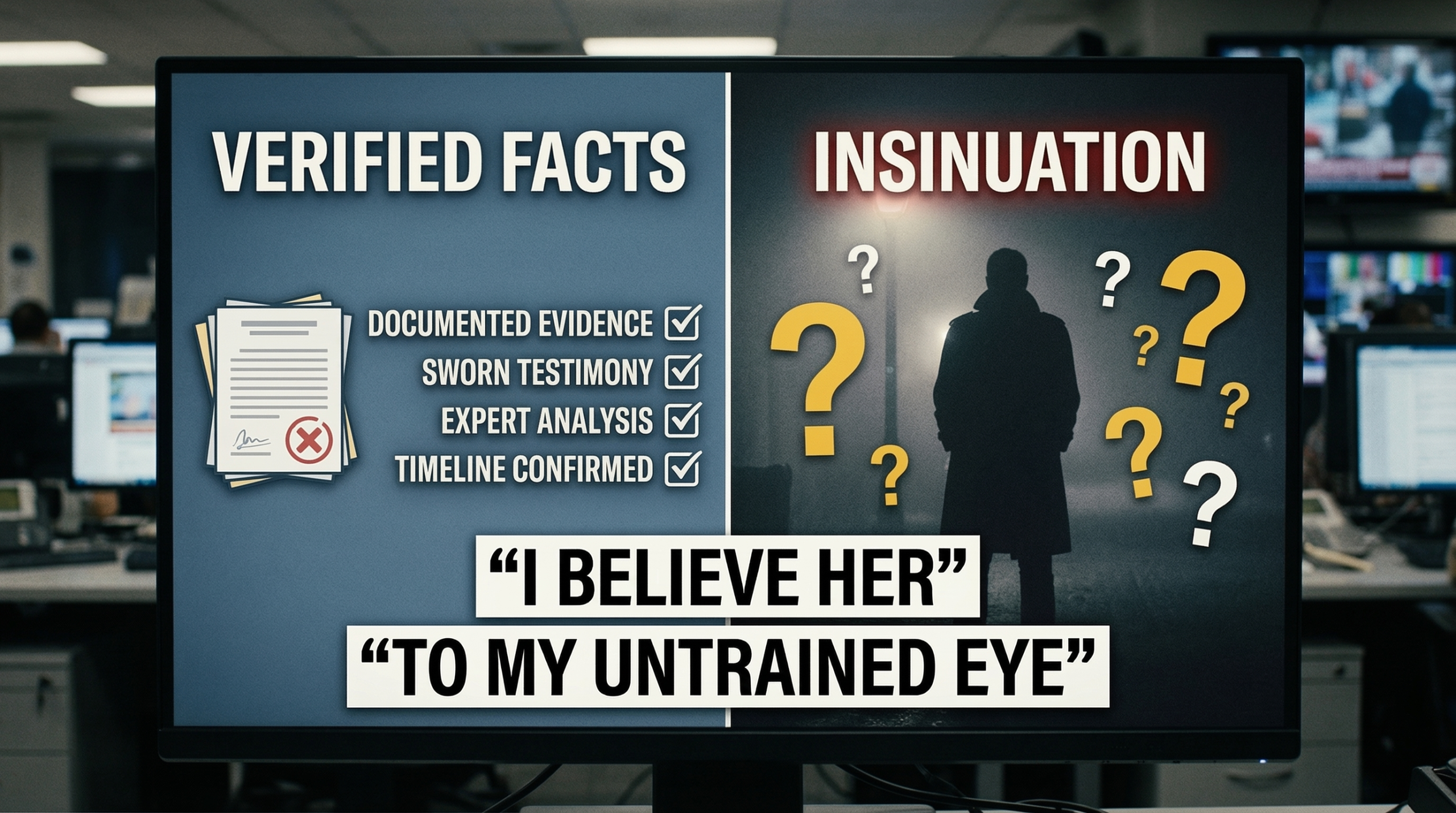
The problem is not empathy itself. Good journalists can understand emotion without surrendering objectivity to it. The problem begins when emotional narrative becomes more important than disciplined verification.
SOCIAL MEDIA VIRALITY AND NEWSROOM CORRUPTION
The digital age has dramatically intensified this problem because social media rewards emotional amplification far more aggressively than careful restraint.
Algorithms reward outrage, symbolism, aesthetic storytelling, and emotionally charged narratives. The more culturally loaded a story becomes, the more pressure exists for journalists and commentators to emotionally participate in the spectacle rather than stand outside it critically.
That creates a terrifying feedback loop where virality itself begins contaminating newsroom judgment.
And once journalism starts chasing emotional engagement over skeptical discipline, trust begins leaking out of the institution fast.
THE IMPORTANCE OF PROFESSIONAL DISTANCE
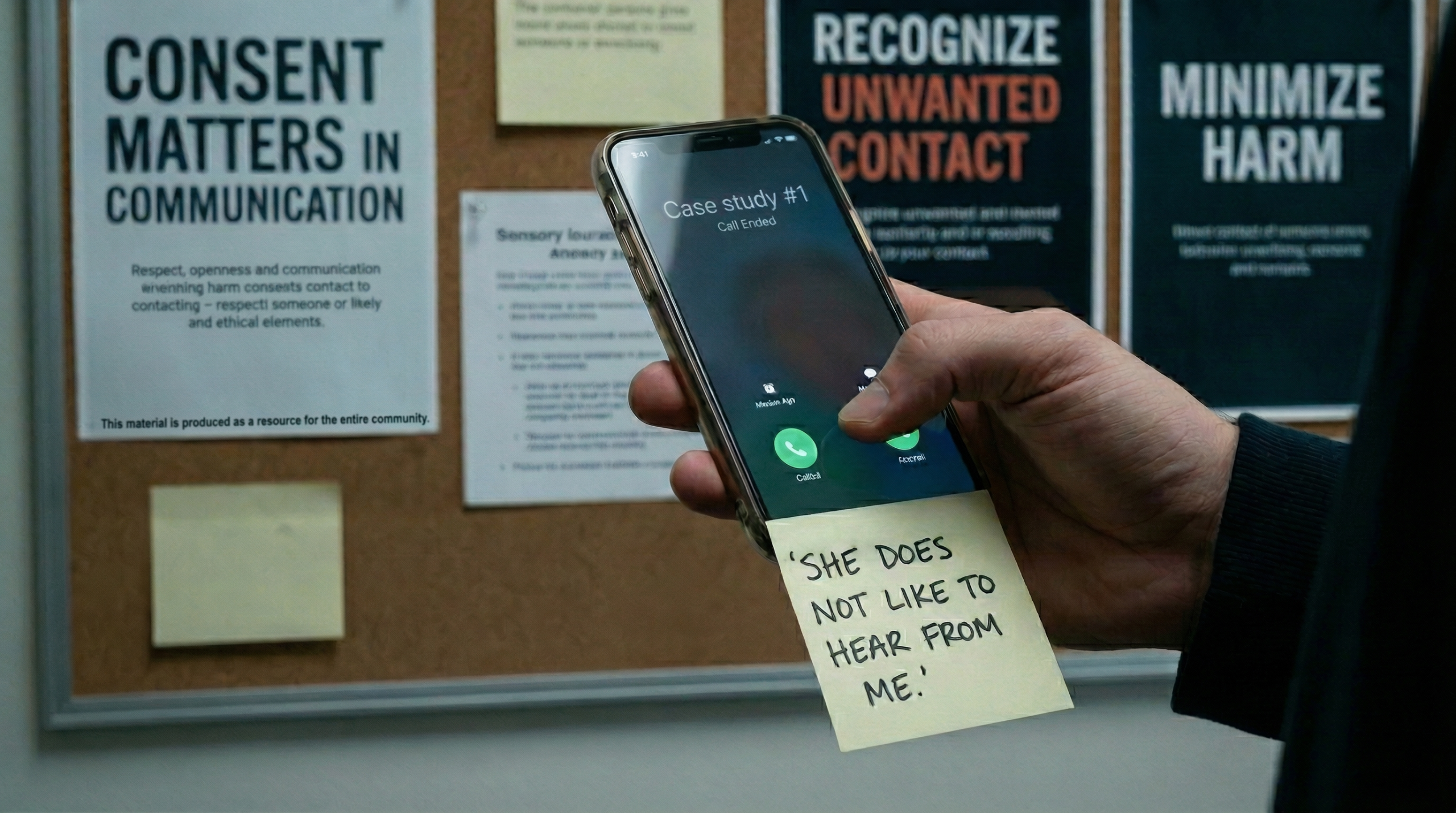
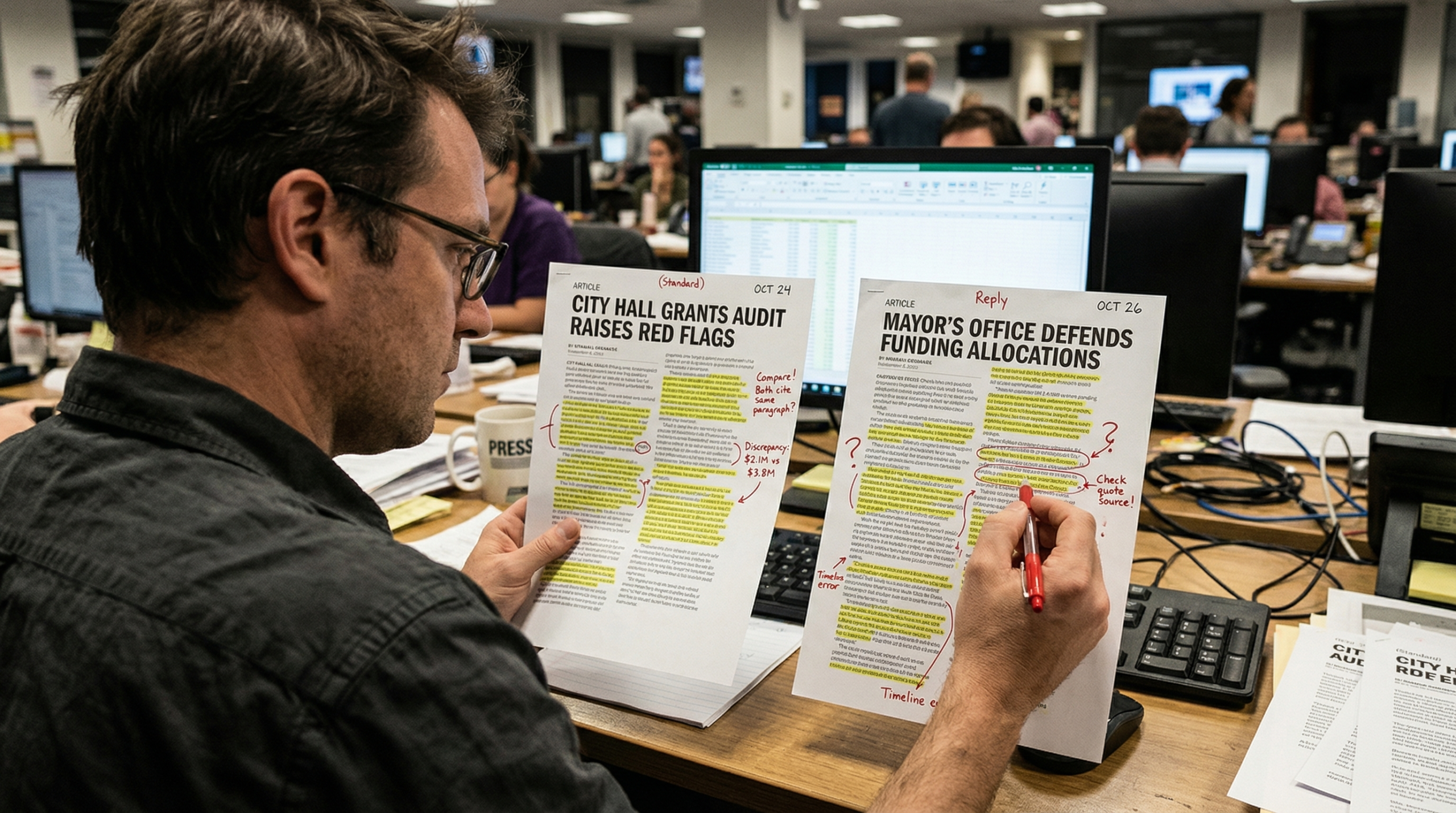
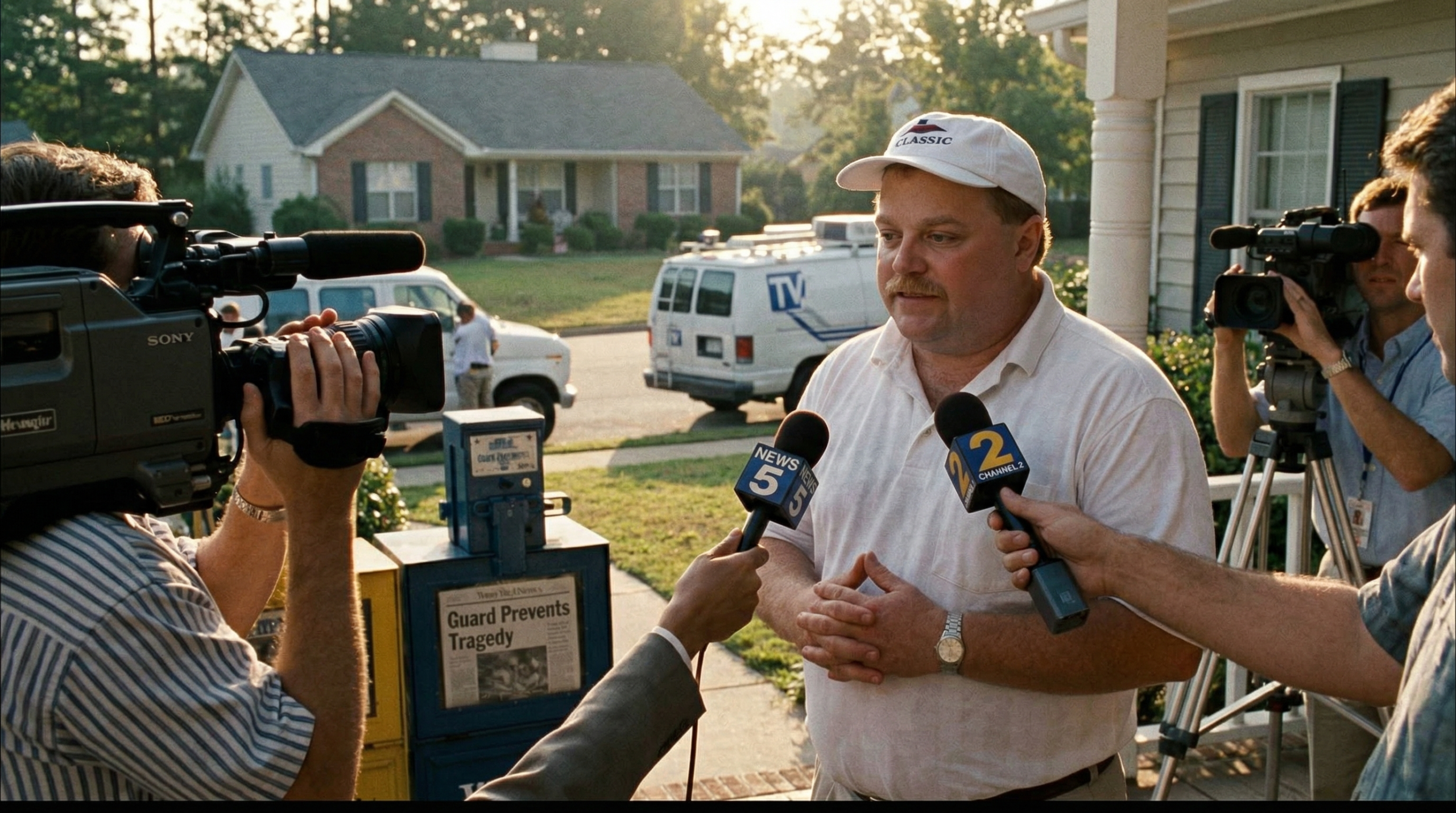
The image above captures the ethical principle modern journalism desperately needs to recover: the subject is not your friend.
A journalist’s responsibility is not to emotionally merge with the narrative, aestheticize the subject, or psychologically identify with the cultural symbolism surrounding the story.
The responsibility is to verify, challenge, contextualize, question, and maintain enough professional distance to resist becoming absorbed into the emotional gravity of the spectacle itself.
Because once journalists begin falling in love with the narrative surrounding a subject, they stop functioning as investigators and start functioning as amplifiers.
EDITOR BREAKDOWN
The Luigi Mangione media phenomenon matters because it reveals how fragile modern journalism has become in the age of virality, symbolism, and emotional narrative warfare.
The deeper issue is not whether individual reporters consciously intended to romanticize the story. The deeper issue is that digital media ecosystems increasingly reward emotional participation over skeptical distance.
And once journalism starts emotionally identifying with the myth surrounding a subject instead of maintaining professional distance from it, the line between reporting, fandom, activism, and narrative performance begins collapsing fast.
TOP 5 JOURNALISM ETHICS FAILURES IN VIRAL CRIME COVERAGE
| # | Failure | Why It Matters |
|---|---|---|
| 1 | Narrative-first reporting | Emotion begins shaping coverage before facts stabilize. |
| 2 | Turning suspects into symbols | Mythology replaces skeptical investigation. |
| 3 | Social media virality influencing judgment | Algorithms reward emotional amplification over restraint. |
| 4 | Aestheticizing controversial figures | Coverage drifts toward fandom instead of journalism. |
| 5 | Losing professional distance | Journalists become emotionally embedded inside the narrative. |
EDITOR’S NOTE
This article is commentary and opinion focused on journalism ethics, narrative framing, social media virality, emotional amplification, and the importance of maintaining professional distance between reporters and the subjects they cover.